
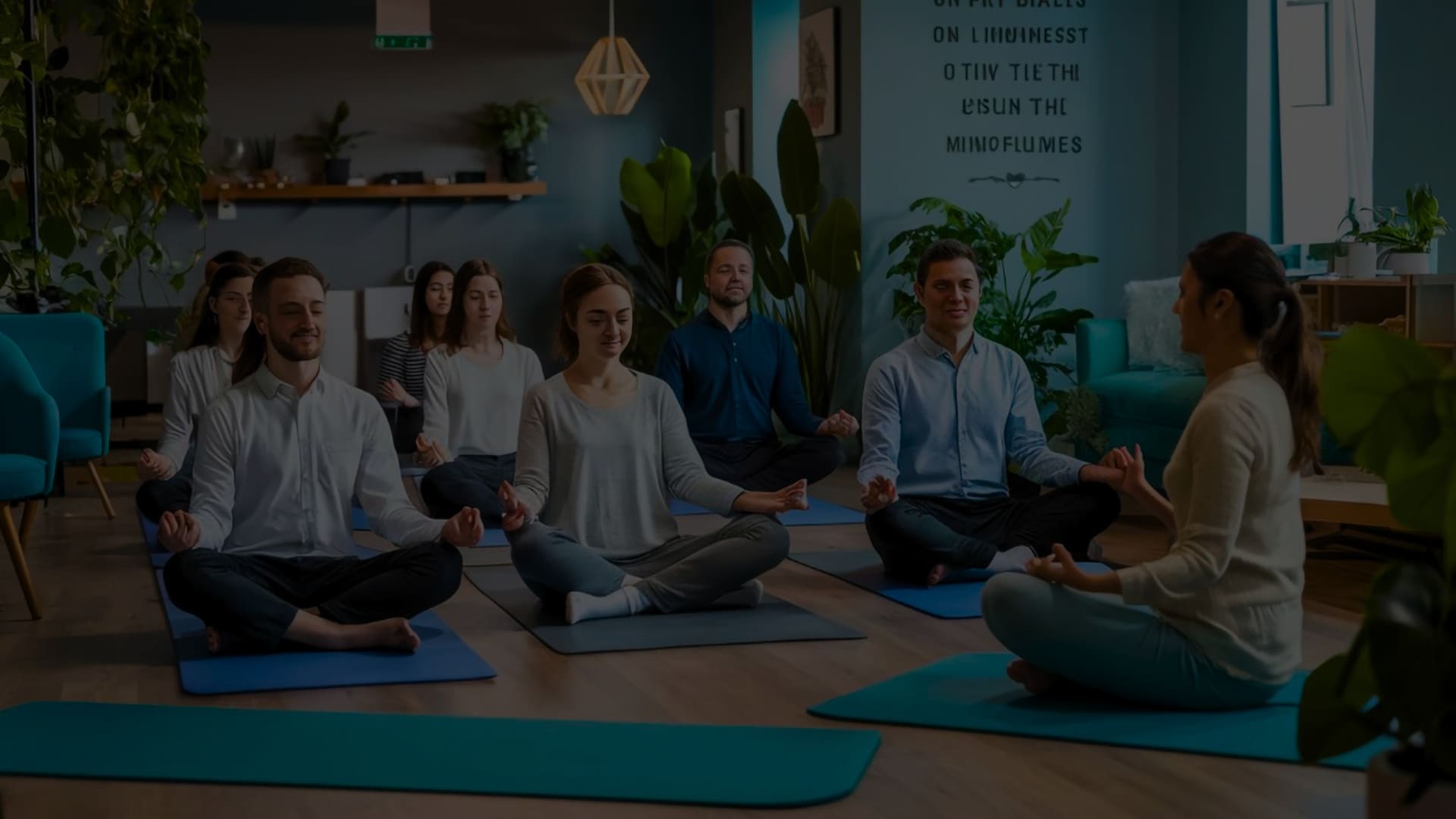
Wellness for All: Designing Inclusive Programs for Berlin’s Diverse Teams
Where every background finds balance.
As workplaces grow more multicultural and cross-functional, the need for inclusive wellness programs is no longer optional—it’s essential. In Berlin, one of Europe’s most diverse cities, companies are reimagining employee wellbeing to reflect the varied identities, needs, and lived experiences of their people.
From neurodiversity to cultural sensitivity, today’s inclusive wellness programs for diverse teams in Berlin are designed to go beyond the one-size-fits-all model. They create space for everyone to feel seen, supported, and empowered—regardless of gender, background, orientation, or ability.
Why Inclusivity Matters in Workplace Wellness
Traditional corporate wellness often focused on physical health or generic stress reduction. But for truly diverse teams, that’s just the starting point. A young LGBTQ+ coder, a working mother from Turkey, and a neurodivergent engineer all experience work and stress differently.
Berlin’s progressive workplaces are acknowledging these differences by designing equitable wellness experiences—where psychological safety, cultural respect, and flexible access are built into the very foundation of programming.
1. Mindful Inclusion by Empowr – Intersectional Mental Health Support
Berlin-based startups like Empowr offer mindfulness and mental health workshops tailored to specific identity groups—such as LGBTQ+ employees, BIPOC teams, or employees managing disabilities. These sessions create safe spaces to explore mental health challenges without stigma or code-switching.
The emphasis is not just on stress reduction, but on narrative ownership and emotional validation, allowing underrepresented employees to feel recognized and resourced.
2. OpenUp – Therapy and Coaching in 20+ Languages
For global teams in Berlin, OpenUp provides licensed therapists and coaches fluent in multiple languages and culturally attuned to diverse client backgrounds. Employees can choose professionals who reflect or deeply understand their cultural context—improving trust and outcomes.
It’s especially valued by HR teams supporting international hires, migrants, and first-generation professionals navigating cross-cultural work stress.
3. DEI-Aligned Fitness & Movement by Intersect Berlin
Intersect organizes wellness activities—like group yoga, dance therapy, or martial arts—that center body-positive, queer-friendly, and trauma-informed practices. Sessions are held in inclusive spaces, and instructors are trained in gender sensitivity and accessibility.
For many Berlin companies, these offerings help bridge the gap between physical wellness and identity-safe spaces—especially in industries where traditional wellness programs have felt exclusionary.
4. Flexible Access + Asynchronous Wellness Hubs
Inclusion also means recognizing logistical diversity. Berlin companies are integrating asynchronous wellness content—like guided meditations, nutrition tips, or virtual support groups—available on demand. This benefits caregivers, shift workers, part-timers, and those with fluctuating mental health.
Wellness becomes something employees can access on their terms—not a fixed appointment on the company’s calendar.
From Representation to Belonging
The most forward-thinking inclusive wellness programs for diverse teams in Berlin go beyond representation. They invest in co-creation, inviting employees to shape what wellness means for them. From curating culturally relevant content to hosting listening circles, these organizations are embedding equity into everyday wellbeing.
And the result? Higher retention, deeper engagement, and a workplace culture that feels like home to more people.
Final Thought: Equity Is the New Wellness Metric
In Berlin’s globally connected talent landscape, wellness that excludes is no longer viable. Companies that embed diversity, equity, and inclusion into their wellness strategies don’t just check boxes—they build trust, resilience, and innovation from the inside out.
Because wellness for all is more than a policy. It’s a practice. And in Berlin, that practice is becoming the new normal.
